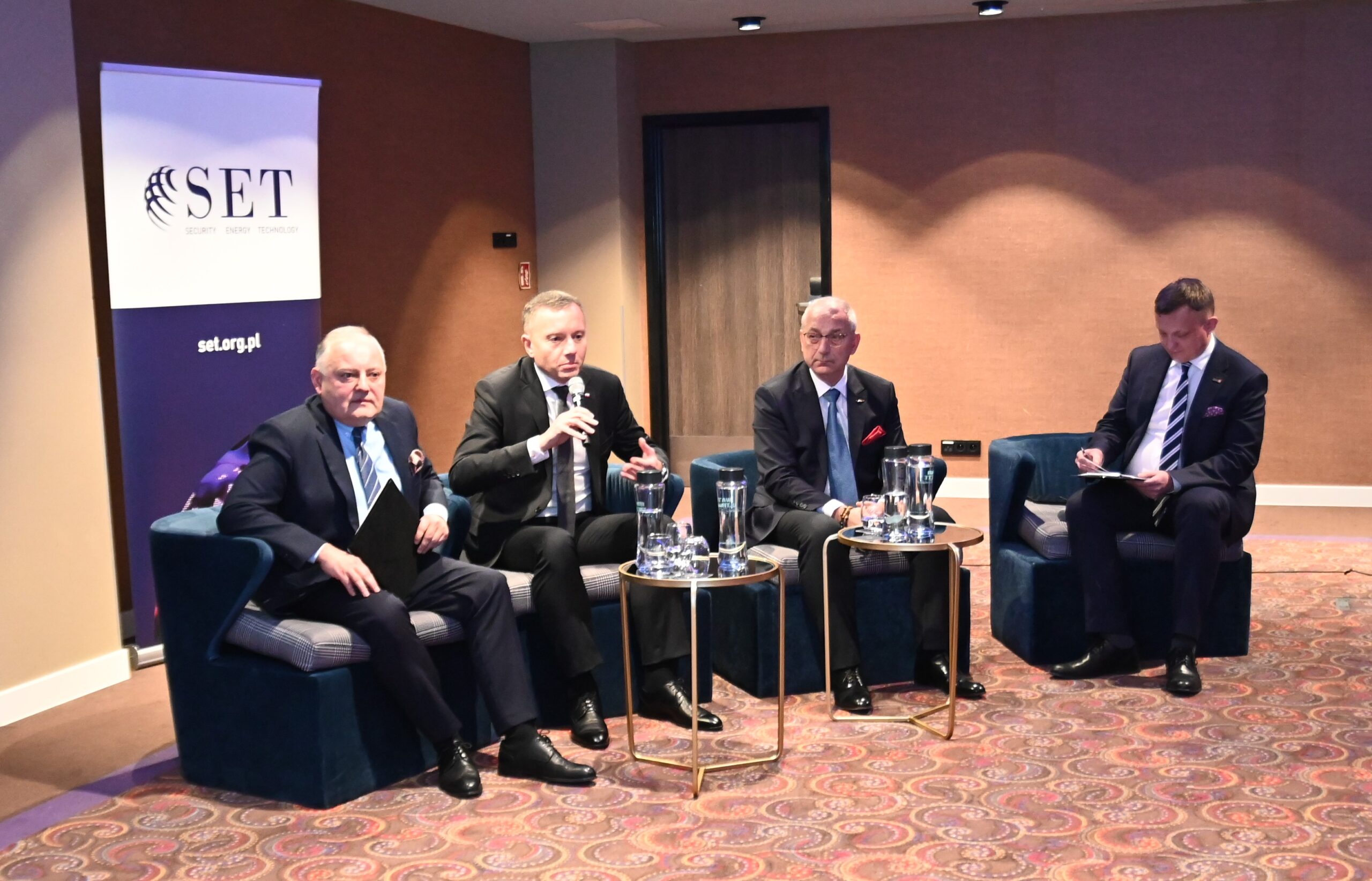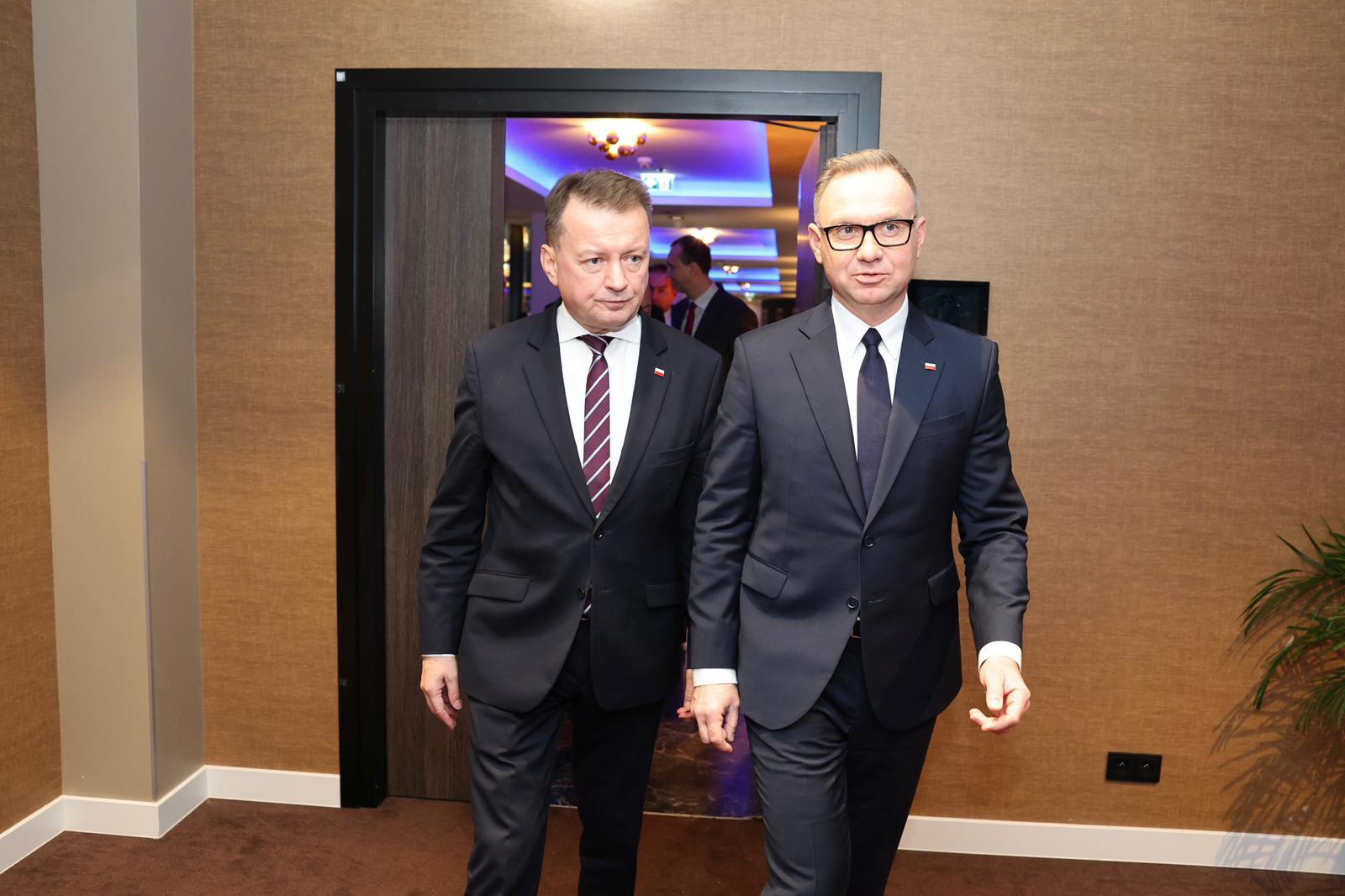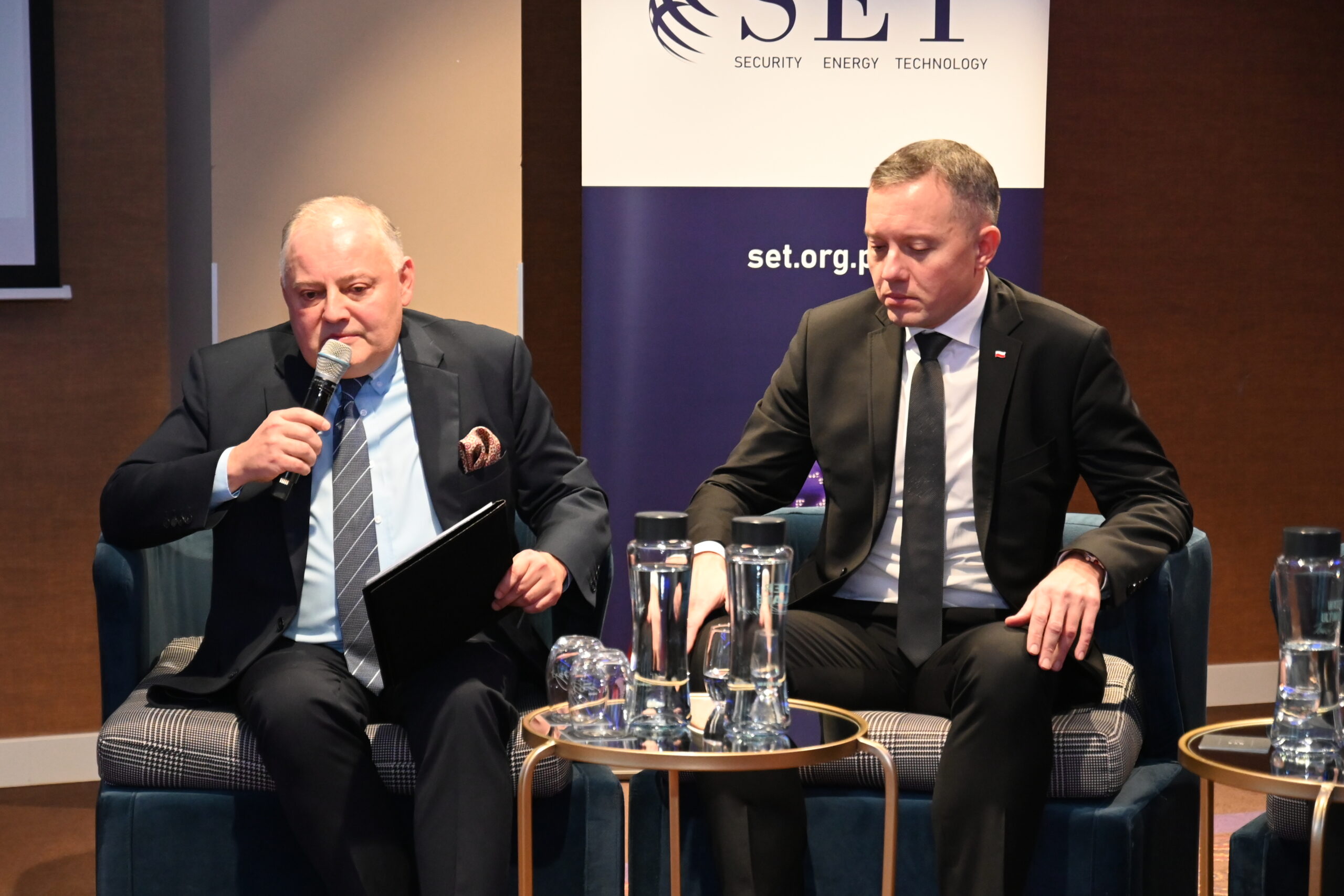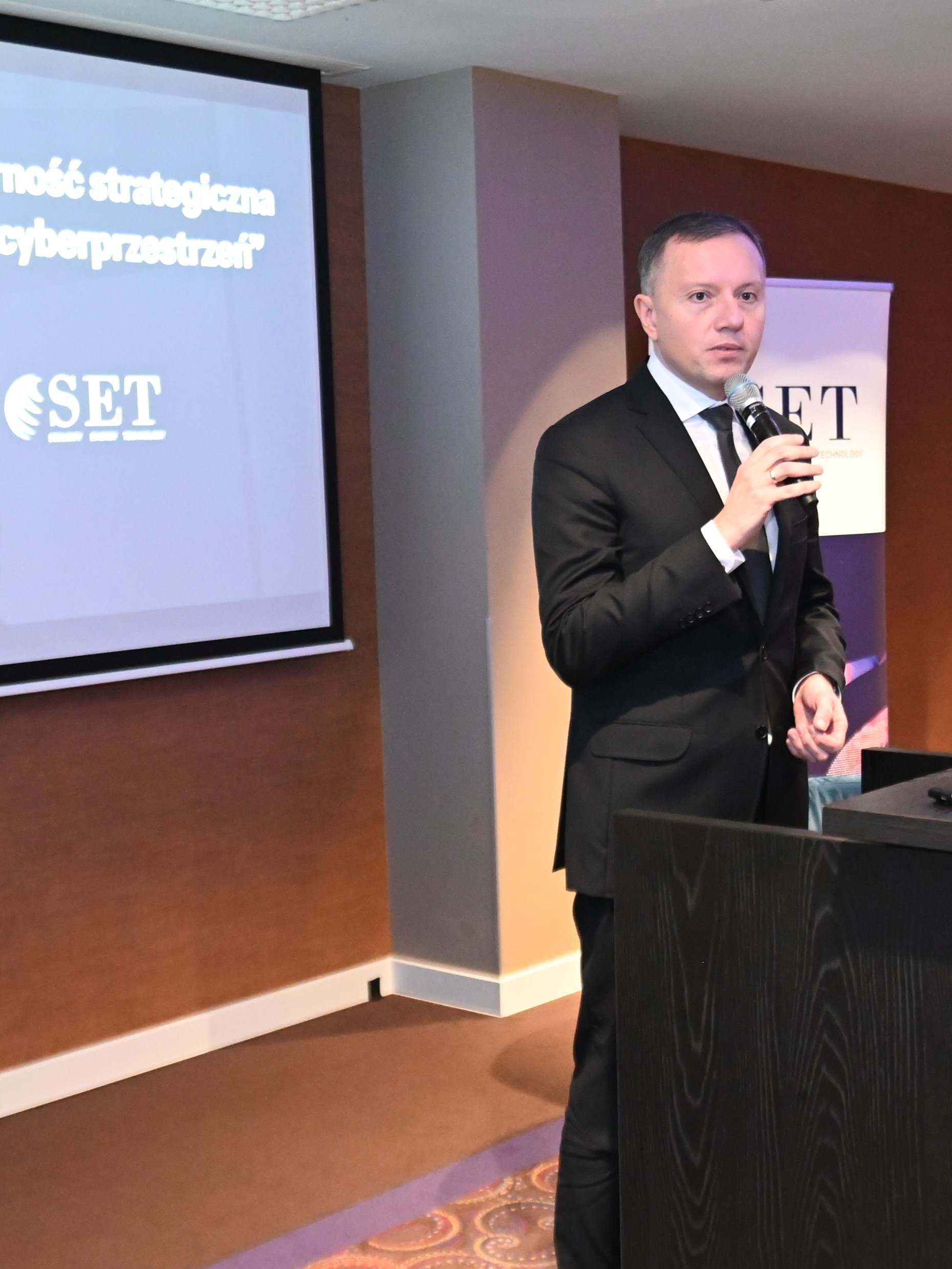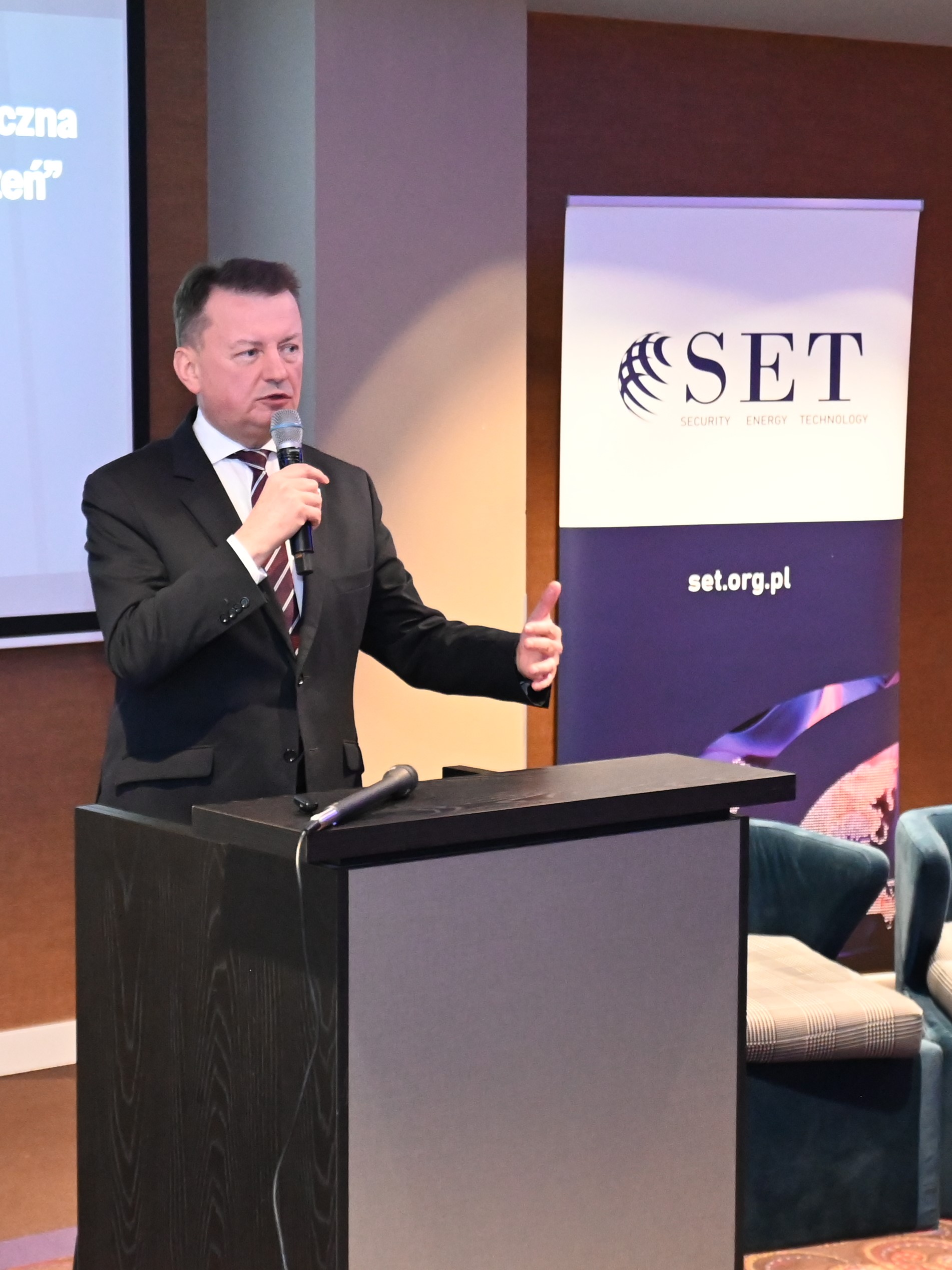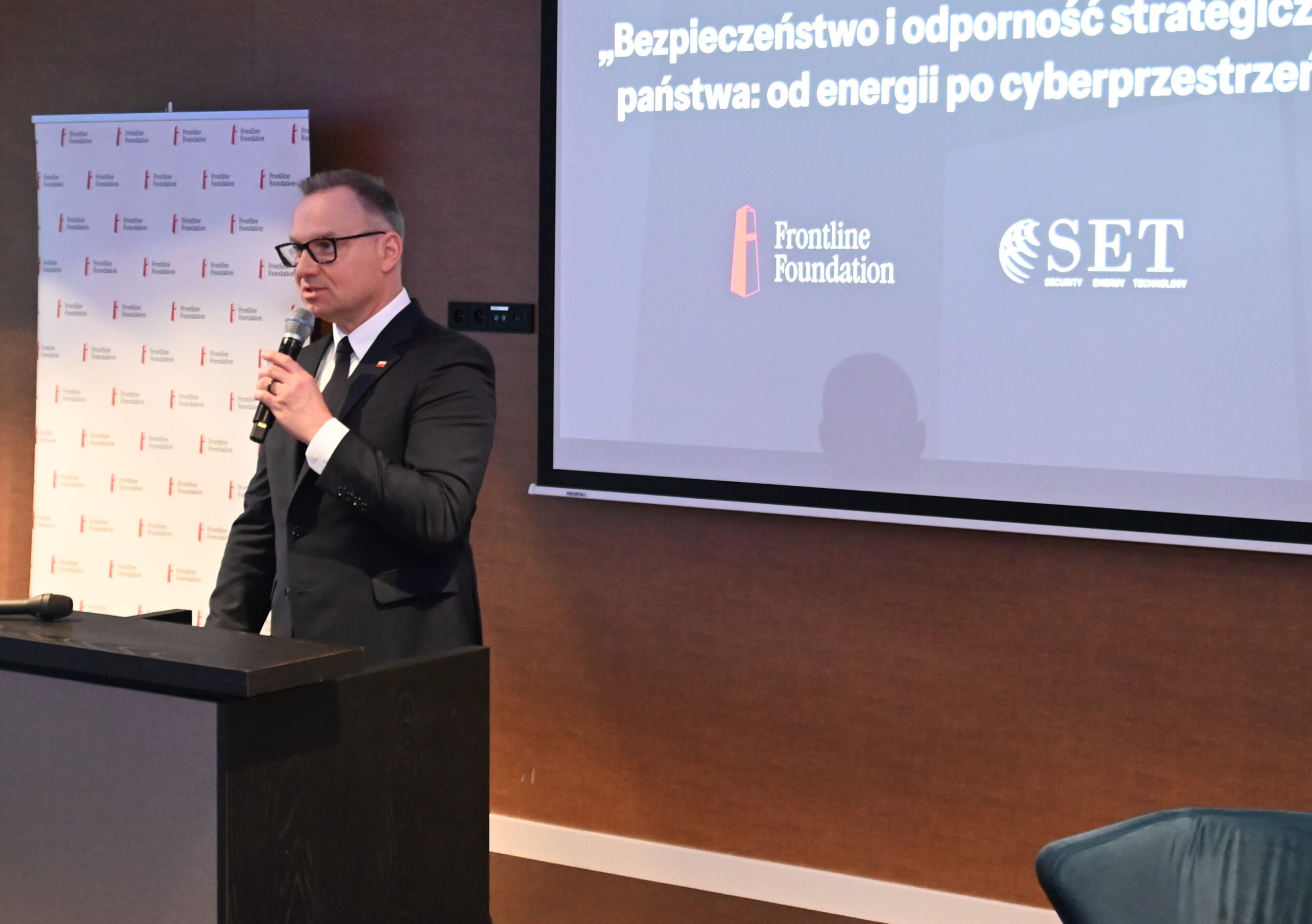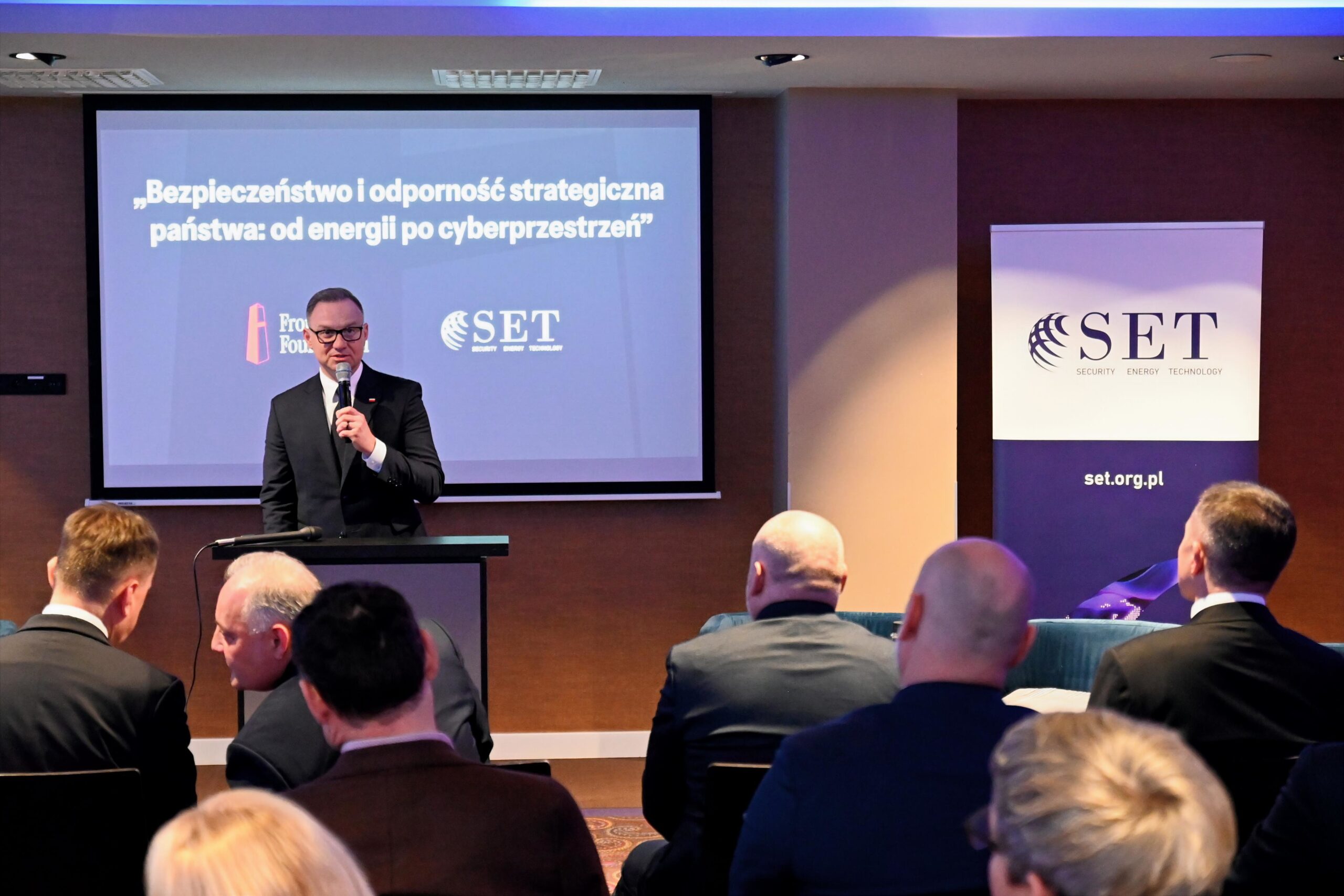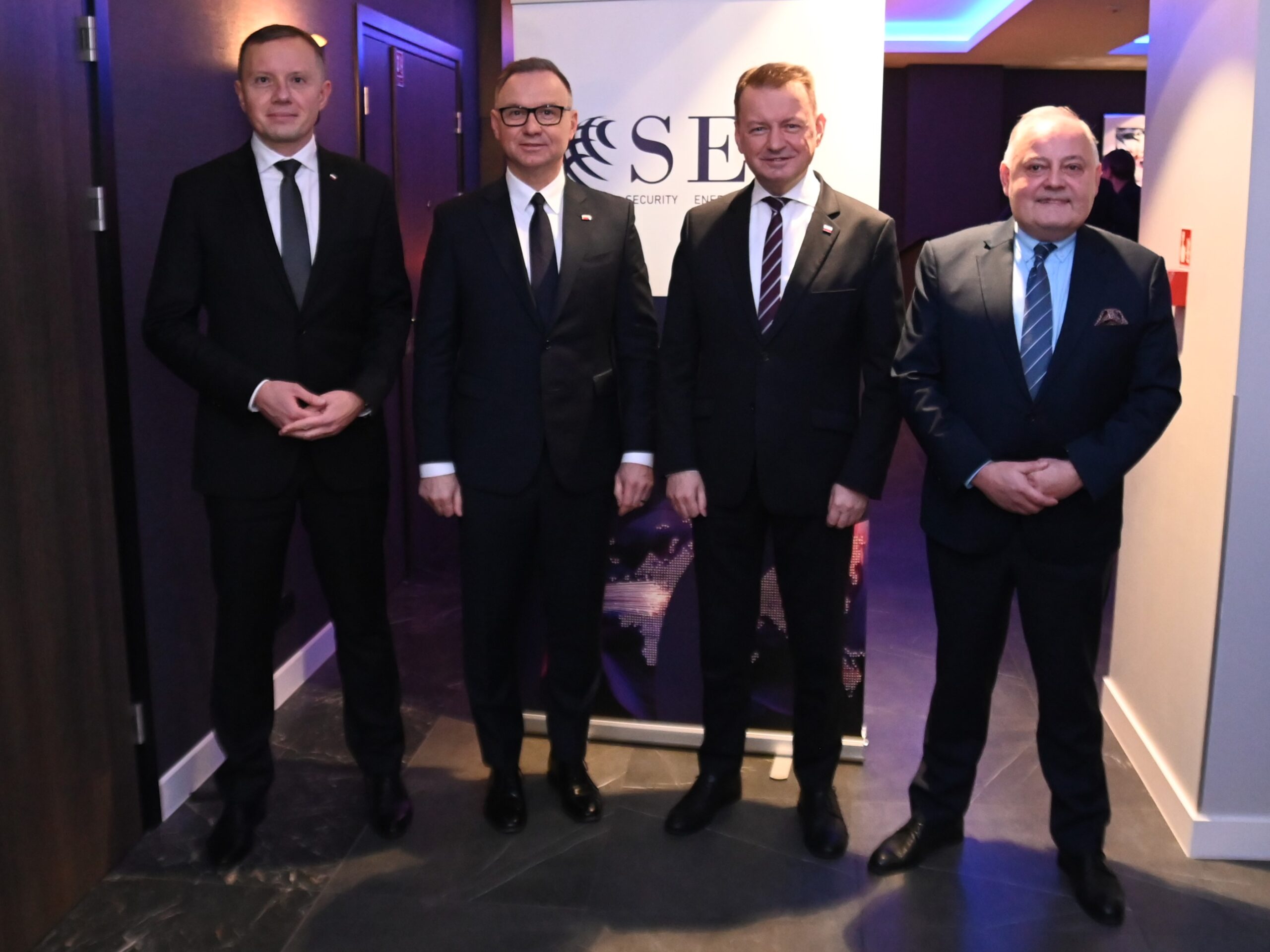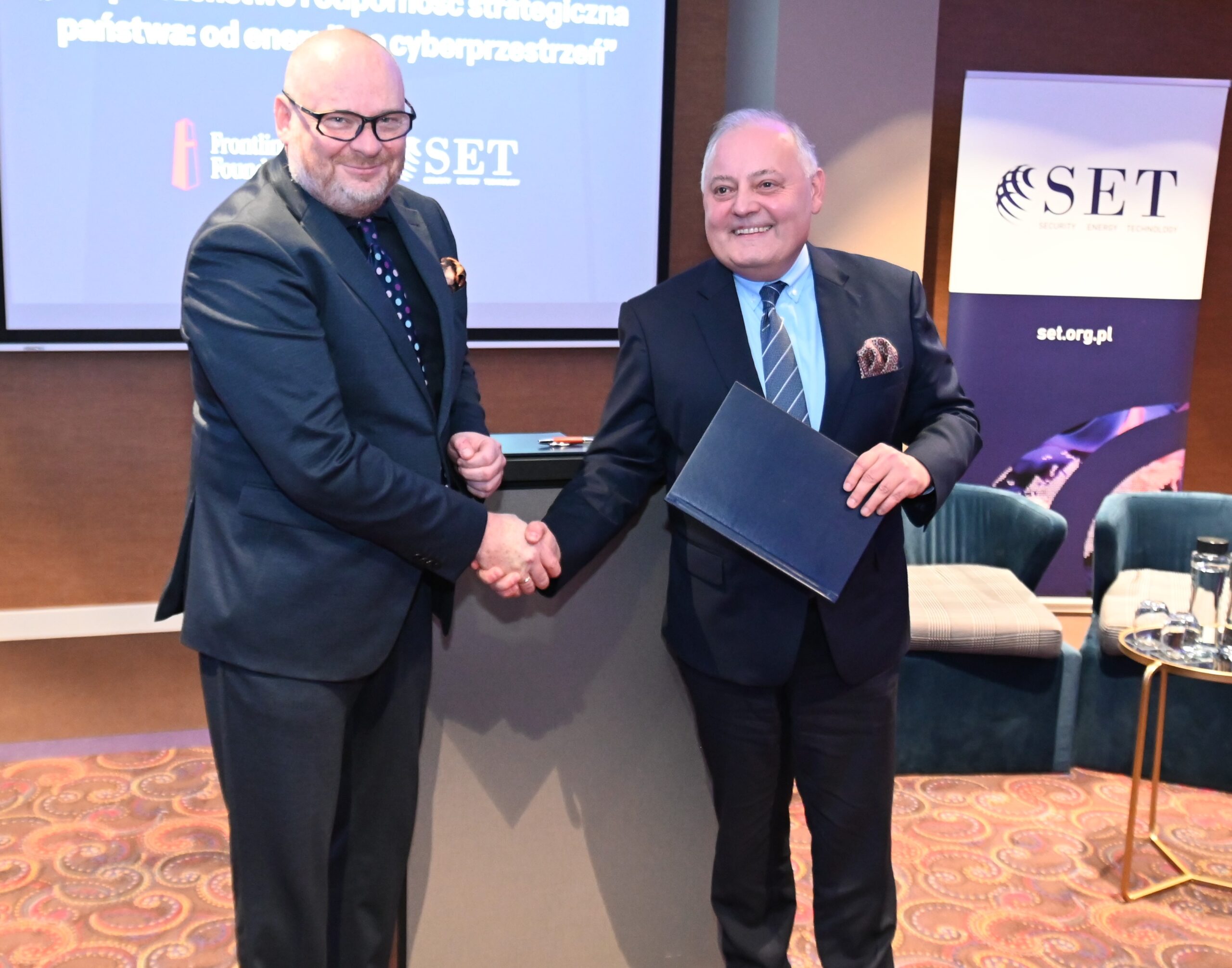
On December 8, 2025, an expert conference "National Security and Strategic Resilience: From Energy to Cyberspace" was held in Warsaw. It was organized by two Polish think tanks: the Frontline Foundation and the SET Security-Energy-Technology Foundation, which signed a cooperation agreement today. Honorary guests of the conference included Andrzej Duda, President of the Republic of Poland from 2015 to 2025, who delivered the opening address, and Mariusz Błaszczak, Minister of National Defense from 2018 to 2023.
The agreement signed during the conference between the Frontline Foundation and the SET Foundation opens a new phase of joint efforts between these two organizations to promote national security, develop expert competencies, and build Poland's resilience to hybrid, technological, and information threats. The collaboration will encompass analytical, educational, and project-based activities at the intersection of security, new technologies, and strategic sectors of the state.
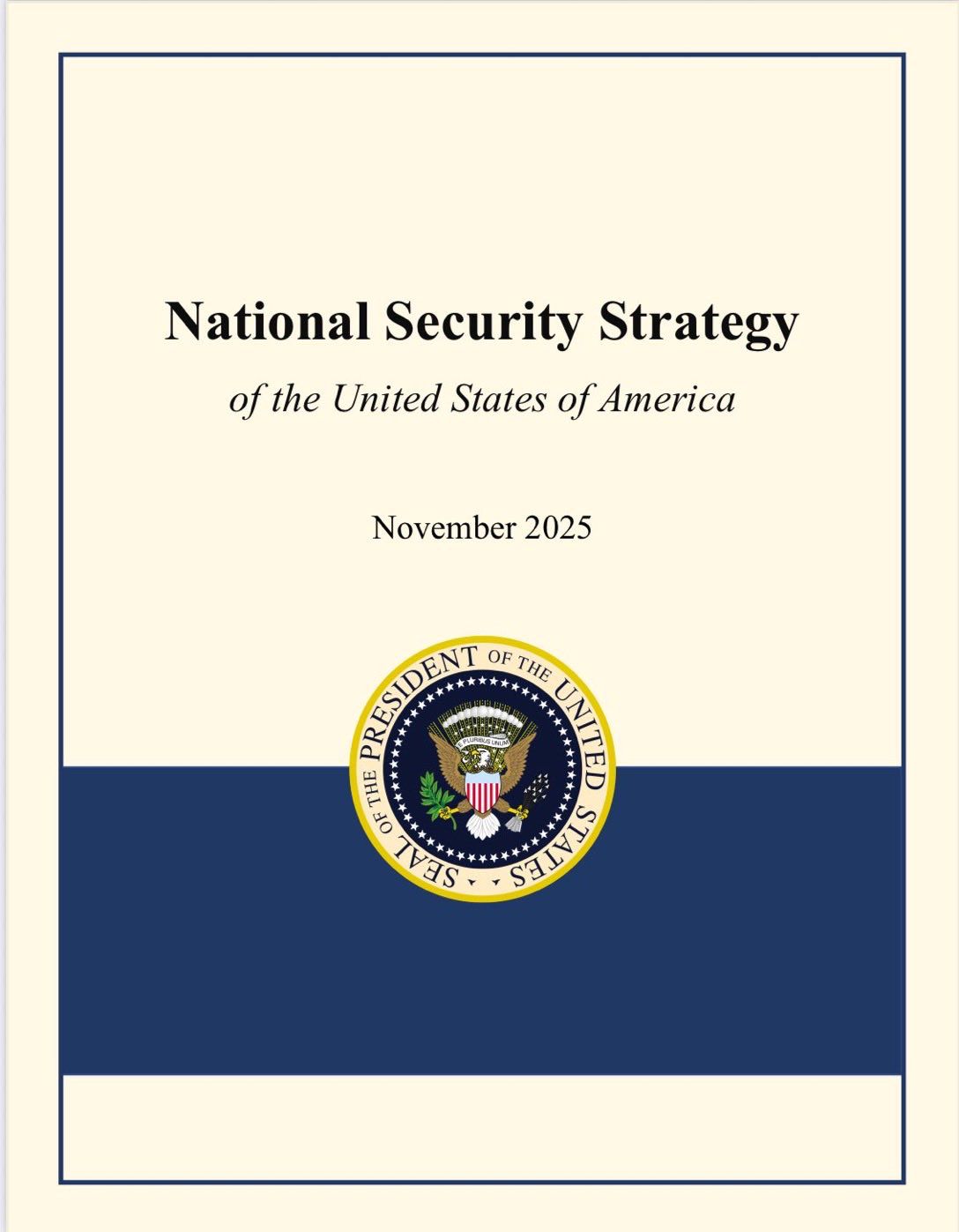
In the face of a rapidly changing geopolitical situation, growing hybrid threats, dynamic technological development, and resource pressures, states face the need to build entirely new models of strategic resilience. In Poland, key points of reference include the ongoing war in Ukraine and the ongoing peace negotiations, as well as the new US National Security Strategy . These issues were the subject of a debate, during which politicians and experts discussed the key directions of action necessary to ensure Poland's security.
President Andrzej Duda discussed the main theses of the U.S. National Security Strategy and its implications for Poland. In his view, it is based on pragmatism and hard-line interests—resembling a business plan more than a classic political doctrine. He also emphasized the fundamental importance of Poland's strong alliance with the U.S., as well as Poland's strengths in international politics, especially in the regional dimension, where military and economic strength naturally position our country as a leader on NATO's eastern flank. President Duda also highlighted the critical weakness of Europe, which, in his opinion, has lost a significant portion of its position in the global economic race, currently plays no real role in negotiations regarding Russia's war with Ukraine, and for years has ignored the threat from the east.
The strategic perspective on defense was presented by Mariusz Błaszczak , who also emphasized the importance of the new American strategy as an opportunity for Poland, stating that "the USA needs a strong European partner, and Poland can and should be such a partner ." Minister Błaszczak firmly emphasized the need to expand the Polish Armed Forces, both quantitatively and organizationally, as well as technically and technologically. He criticized the disbanding of military units, particularly since 2011, when the 1st Warsaw Mechanized Division named after Tadeusz Kościuszko was disbanded, and the subsequent basing of Poland's defense strategy on the Vistula River rather than on the country's border. He noted that the goal of building a 300,000-strong land army, the strongest in Europe, is not only timely, but also feasible and urgent. In this context, he assessed the delays in the implementation of key modernization programs, such as the one related to the acquisition of AH-64E Apache Guardian helicopters, as unjustified.
A summary of activities in 2025 and plans for programmatic cooperation were the content of the presentations given by representatives of the conference organizers. Norbert Loba , President of the Frontline Foundation, emphasized that the foundation was established as a continuation of its founders' professional careers in serving Poland's security.
Tomasz Zdzikot , Chairman of the SET Foundation Council, pointed out that the core of the foundation’s activities is security, understood broadly, from strictly military aspects, through those related to energy, raw materials, financial markets, to the area of new technologies and cybersecurity, and in all these areas SET has competences and analytical and expert support.
The speeches during the panel debate moderated by August Żywczyk , created a coherent and comprehensive diagnosis of contemporary threats: from energy and cybersecurity, through the evolution of the battlefield, to hybrid threats, cognitive warfare and the role of secret services.
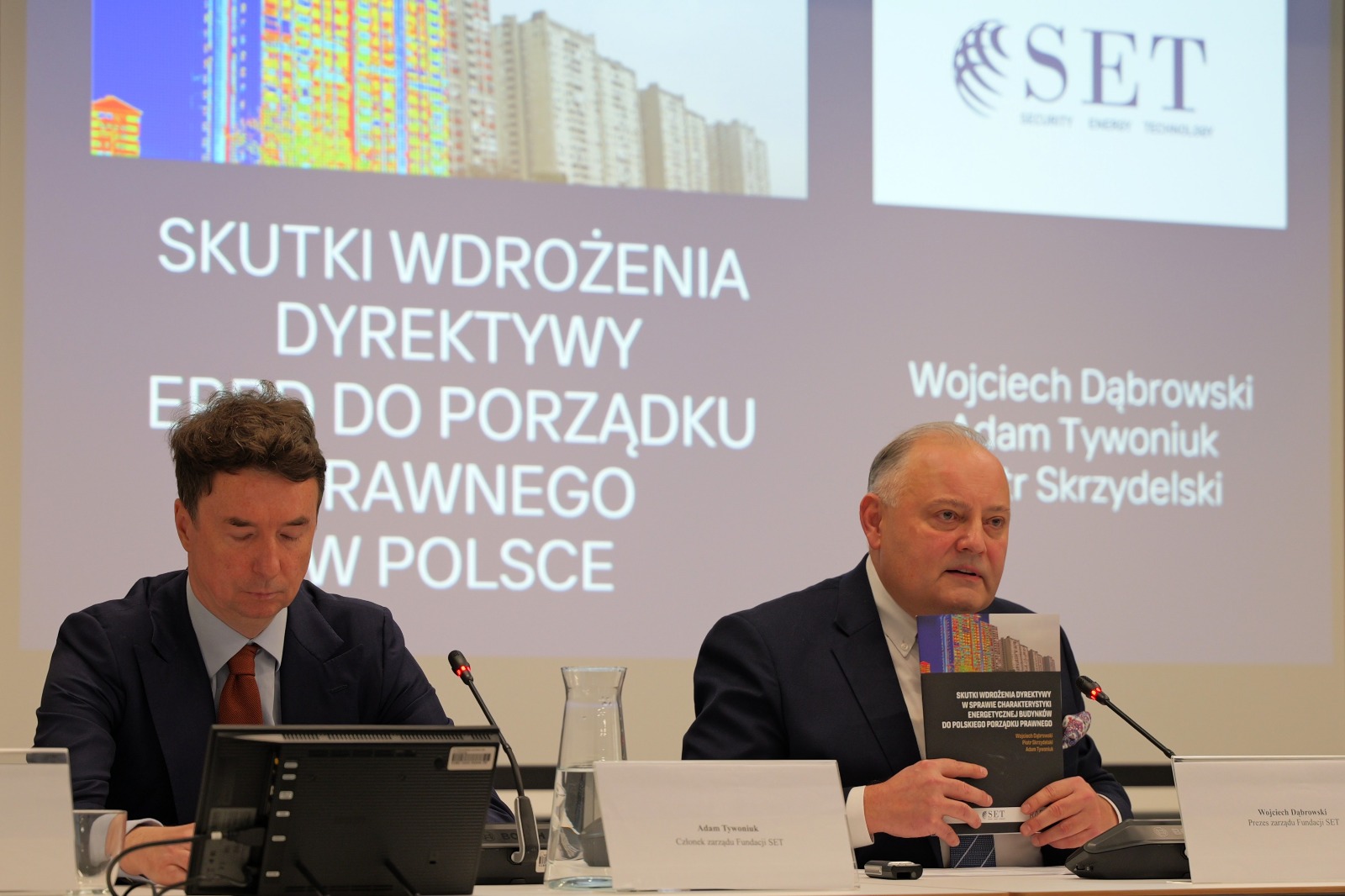
Wojciech Dąbrowski , President of the SET Foundation, emphasized that energy is no longer solely an area of economic policy—it is becoming an element of the state's strategic identity. He pointed out that "energy is the foundation of a state's sovereignty and security, and energy security is today one of the key pillars of national resilience ." In a climate of geopolitical turbulence, climate pressure, and accelerating technological transformation, the importance of diversification and ensuring the stability of the energy system is growing.
Norbert Loba , President of the Frontline Foundation, noted the urgent need for systemic changes in the area of intelligence services in Poland . "The state of intelligence services in Poland today requires immediate, systemic corrective action. The Act on the Internal Security Agency and the Foreign Intelligence Agency is already 23 years old, and the world in which it was created was completely different from the one we operate in today. It lacks key legal solutions, and the current system creates real risks to national security, which is why we need new tools and adequate mechanisms ," Loba pointed out.
The Chairman of the SET Foundation Council, Tomasz Zdzikot , pointed out that Poland has not had a valid cybersecurity strategy for nearly a year . "Poland has outstanding cybersecurity specialists and experts, so our strategy must be ambitious and address both the process of ensuring the security of Poland's cyberspace under strong hostile pressure on our networks and systems, as well as building a domestic cybersecurity market, " Zdzikot said. He also noted that commercialization of scientific achievements and the development of Polish technology companies are areas requiring special attention . "Let's recall the history of the Polish blue laser and gallium nitride crystals, Polish graphene, and now the problems associated with perovskites, let's recall brands such as MkS_Vir, Optimus, Nasza-Klasa, and Gadu-Gadu. This is a true Polish silicon valley of shadows. Let's finally learn from our mistakes, " he stated.
Brig. Gen. Dariusz Wroński , a member of the SET Foundation Program Council, presented an analysis of the rapid transformation of the modern battlefield. "The world is moving from an era of tanks, artillery, and expensive combat systems to an era of cheap, numerous, agile, autonomous effectors and sensors, integrated with AI, electronic warfare, and cyberspace. This is no longer evolution—it's a radical paradigm shift in warfare," said Gen. Wroński. At the same time, in his opinion, "purchasing thousands of drones will not constitute a strategic advantage unless the state shifts from a mentality of 'let's buy drones' to a systems mentality of 'let's build a next-generation operational capability.'"